


Ruby History
Ancient Origins
Ruby, known as the “King of Gemstones,” has captivated civilizations for thousands of years with its fiery red brilliance. The name “Ruby” originates from the Latin word ruber, meaning “red,” symbolizing passion, vitality, and power. Rubies were first discovered over 2,000 years ago in Myanmar (formerly Burma), where they were revered by ancient kings as tokens of life and courage. In Sanskrit, the stone was called ratnaraj—“the lord of gems”—signifying its royal status among precious stones.

Cultural Significance
Throughout history, Ruby has been regarded as a symbol of love, protection, and prosperity. Ancient warriors embedded rubies in their armor to make themselves invincible in battle, while Indian royalty believed the stone granted safety and eternal peace. In medieval Europe, rubies adorned crowns and religious artifacts, representing divine wisdom and the blood of life. Across cultures—from Asia to Africa and Europe—ruby’s deep red glow has been associated with the heart, courage, and the eternal flame of passion.

Symbolic Uses Through History
Ruby have long symbolized energy, strength, and love. They were believed to ignite the life force within the body and align it with the divine. In spiritual traditions, ruby is viewed as a stone of enlightenment, protection, and motivation—encouraging vitality, emotional balance, and personal empowerment.

Table of contents

Origin
Myanmar (Burma) – Famous for producing the world’s most prized “pigeon blood” rubies with intense red color and natural fluorescence.
Sri Lanka (Ceylon) – Known for pinkish-red and orangey-red rubies with excellent clarity and brilliance.
Mozambique and Thailand – Modern sources of vivid rubies prized for their depth of color and accessibility in the gem market.
Feature
Chemical Formula: Al₂O₃ (Corundum) with trace amounts of chromium, which gives ruby its distinctive red color.
Mohs Hardness: 9 — second only to diamond, ruby is extremely durable and ideal for daily wear.
Color: Ruby’s signature red comes from chromium impurities within corundum. Shades range from deep crimson to pinkish-red, with “pigeon blood red” being the most valuable hue. The color often glows vividly under sunlight or UV light, symbolizing the spark of life itself.
Symbolism: Ruby symbolizes passion, courage, and vitality. Spiritually, it embodies the energy of the sun, promoting confidence, motivation, and love.
-
Chakra:
Root Chakra (Muladhara): Grounds energy and enhances strength, endurance, and determination.
Heart Chakra (Anahata): Stimulates love, compassion, and emotional balance.
-
Zodiac:
Leo
Cancer
Benefits
Passion and Motivation
Ruby is often called the “Stone of Passion” for its ability to ignite enthusiasm and desire. It fuels ambition, boosts motivation, and encourages bold action toward one’s goals. Its vibrant energy stimulates creativity, helping one channel passion into purpose and success.
Courage and Confidence
Throughout history, ruby has been worn as a talisman for courage and protection. It strengthens the willpower, enhances leadership qualities, and helps overcome fear and self-doubt. By activating the Root Chakra, ruby instills stability and confidence, making it an ideal stone for those facing challenges or transitions.
Love and Emotional Healing
Ruby’s connection to the Heart Chakra makes it a powerful symbol of love and devotion. It fosters emotional warmth and intimacy while encouraging forgiveness and understanding. It helps heal broken relationships by rekindling passion and mutual respect. Ruby’s vibrant energy reminds the wearer to love deeply and authentically.
Vitality and Energy
As a gem of life force, ruby is associated with physical vitality and strength. It boosts energy levels, improves blood circulation, and enhances stamina. In crystal healing, ruby is often used to support the heart and promote overall wellness, making it ideal for those recovering from fatigue or low energy.
Protection and Prosperity
Ruby is traditionally believed to protect against misfortune, psychic attack, and negative energy. It brings prosperity and abundance, aligning the wearer’s passion and effort with success. In ancient times, it was said to glow when danger approached, serving as a guardian against harm and deceit.
Type
Burmese Ruby
Hailing from Myanmar, Burmese rubies are the world’s most valuable, featuring deep, vivid “pigeon blood” red tones with strong fluorescence. Their rarity and historical prestige make them highly collectible and symbolic of royal power.
Thai Ruby
Rubies from Thailand display darker red tones with hints of brown or purple due to higher iron content. They are durable, affordable, and popular in both traditional and modern jewelry.
African Ruby (Mozambique and Tanzania)
African rubies, particularly from Mozambique, are admired for their exceptional color saturation and clarity. These stones rival Burmese rubies in quality and are becoming highly sought after.
Star Ruby
Star rubies exhibit a natural six-pointed star pattern, known as asterism, caused by rutile inclusions. These gems are prized for their mystical allure and spiritual symbolism, often linked to intuition and divine guidance.
Synthetic Ruby
Laboratory-created rubies share the same chemical composition as natural ones but are more affordable. They are widely used in fine jewelry and even scientific instruments due to their durability and optical properties.
Care & Maintenance
Cleaning
Clean ruby gently using mild soap, warm water, and a soft brush. It can safely withstand ultrasonic and steam cleaning, though these methods should be avoided for rubies with fracture filling or surface treatments.
Storage
Store ruby separately in a soft pouch or lined jewelry box to prevent scratching softer stones. Its hardness makes it durable, but keeping it away from other gems preserves its luster.
Handling
Avoid exposure to harsh chemicals, acids, or sudden temperature changes. Remove ruby jewelry before physical activity or applying perfumes and cosmetics to maintain its brilliance and integrity.
FAQs
Q: Is Ruby a birthstone?
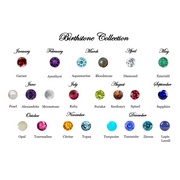
A: Yes, ruby is the traditional birthstone for July and symbolizes love, vitality, and protection.
Q: What color ruby is most valuable?
A: “Pigeon blood red,” a vivid deep red with a hint of blue, is considered the most valuable ruby color.
Q: Is Ruby rare?
A: Yes, especially top-quality Burmese rubies, which are among the rarest and most expensive gemstones in the world.
Q: Can Ruby be worn every day?
A: Yes, with a hardness of 9 on the Mohs scale, ruby is highly durable and ideal for daily wear.
Q: What does Ruby symbolize spiritually?
A: Ruby symbolizes love, courage, and vitality. It awakens the life force, inspires confidence, and protects against negativity.
Final Thoughts
Ruby: Benefits, Properties and Meaning of the Stone reveal why this gem has reigned as the ultimate symbol of passion, strength, and power for millennia. Its fiery brilliance represents the heart’s unyielding spirit and the courage to live boldly. Whether used for love, protection, or empowerment, ruby continues to inspire those who seek vitality and purpose. More than just a gemstone, ruby is a beacon of life’s warmth—igniting the spark of passion and reminding us that true strength lies in the heart’s fire.